How Do I Know When It’s Time to Replace My Water Heater?
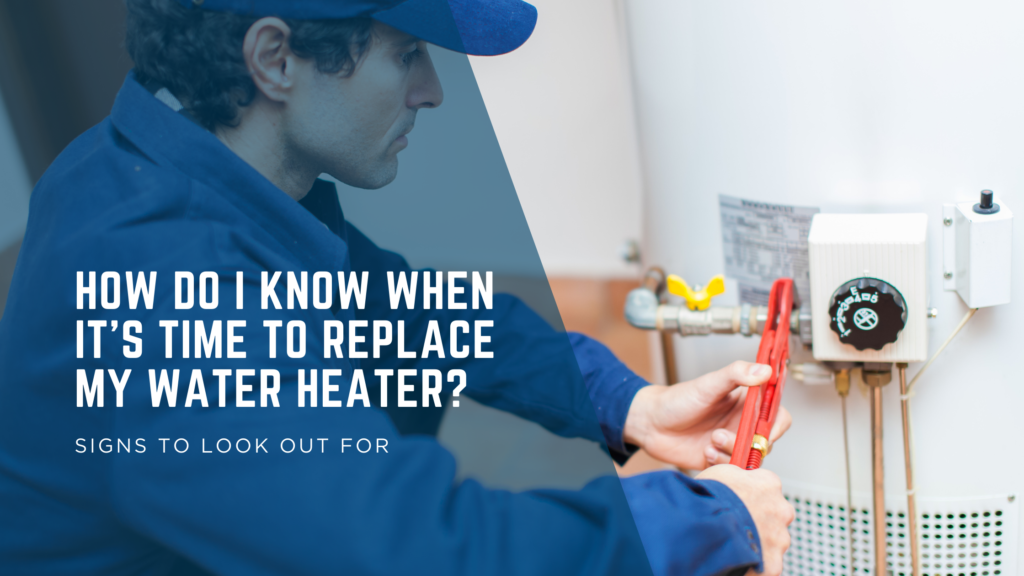
No one enjoys replacing their home appliances, but in many cases it’s best to do so before you have an emergency situation on your hands. Water heaters are integral to a functioning home, but are often out of sight and out of mind until there’s a problem. So, how do you know whether your water heater is ready for retirement or just in need of a repair? Let’s go through some things to look out for:
Age of the Water Heater
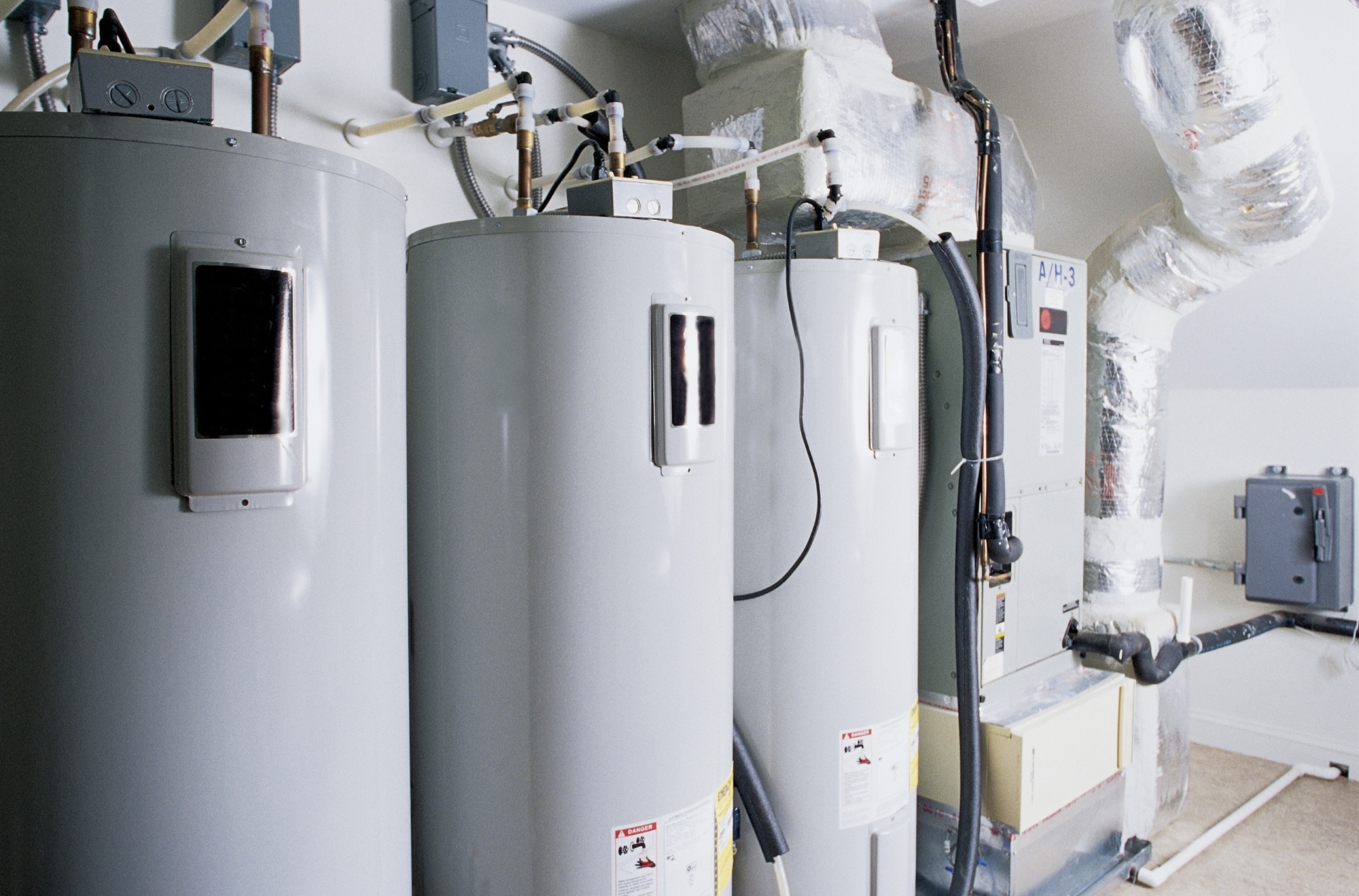
To start, most water heaters last for about 10 years or so. How long your water heater lasts depends on a few factors, including frequency of use, the quality of your home’s water supply, and whether it was installed properly. It’s important to have an idea of how old your water heater is so you can prepare for replacement or repairs. If you’re getting close to, or are past, the ten-year mark, the odds are higher that any issues may be a sign your water heater needs to be replaced.
If you inherited your current water heater and aren’t sure how old it is, you should be able to find out from the manufacturer’s label on the unit, or even your property’s inspection documents. Hopefully, you’ll find an installation date somewhere near the label; if not, you should be able to simply type the serial number into Google and find a pretty close estimate of your water heater’s age.
Need help deciphering the info on your water heater? Give us a call, and we can help figure it out. It may be best to set up a free consultation so we can help diagnose any problems with your water heater!
Water Heating Issues
The most obvious sign that something may be wrong with your water heater? You guessed it! Your water isn’t hot. Or maybe it’s only hot for a short while, then back to ice cold? Or does the water only ever get lukewarm? Issues with water temperature can sometimes be an easy fix, but these issues can also point to something more serious. Causes can include something as simple as an incorrect temperature setting, or something a bit more complicated like a faulty heating element or a corroded anode. The size of your tank and its energy source (electric vs. gas) both make a huge difference on how quickly your hot water replenishes as well, so it’s important you have the correct equipment for your household water needs. A 40-gallon electric water heater may serve a 1-2 person home just fine, but may not be the best option for a family of 5!
Leaking
One of the more concerning issues you can face with your water heater is leaking. Because these appliances are often in basements or in closets, you may not notice leaking for as soon as it starts, so it’s important to keep an eye out, especially if you have an older water heater. Leaking is usually a sign that the water heater will need to be replaced, especially if the tank itself is cracked. You will want to call a plumbing professional as soon as possible after you’ve discovered leaking. The first thing you should do if you notice water around your water heater is to shut off the valve that provides cold water to the tank, and either the gas valve or the electricity source, depending on your unit. Draining the tank is your best next step, or at least catching as much water as possible. Calling a certified plumber quickly is very important to prevent further damage to your home and to get hot water restored as fast as possible.
Found your water heater leaking after hours, or on the weekend? We’ve got you covered! Kokesh Plumbing offers around-the-clock emergency services. Just give us a call at 636-391-1233.
Improper Installation
If you are experiencing issues with your water heater, especially if it’s a newer unit, there’s a chance some of it could be due to improper installation. Many property owners and homeowners want to save money by installing their water heater themselves, but improper installation can lead to costly repairs down the line (pun intended.) Some visual signs of an improperly installed water heater include things like a missing T&P (temperature and pressure) relief valve, kinked gas lines, no drain pan installed under the unit, and discolored water. You might also notice performance issues like inconsistent hot water, low water pressure, leaks around connections or the tank, or even strange noises (popping, rumbling) and soot/exhaust smells. If you suspect that your water heater may have been installed incorrectly, we’re happy to provide a water heater consultation free of charge to identify any performance issues and find their root cause.
Next Steps
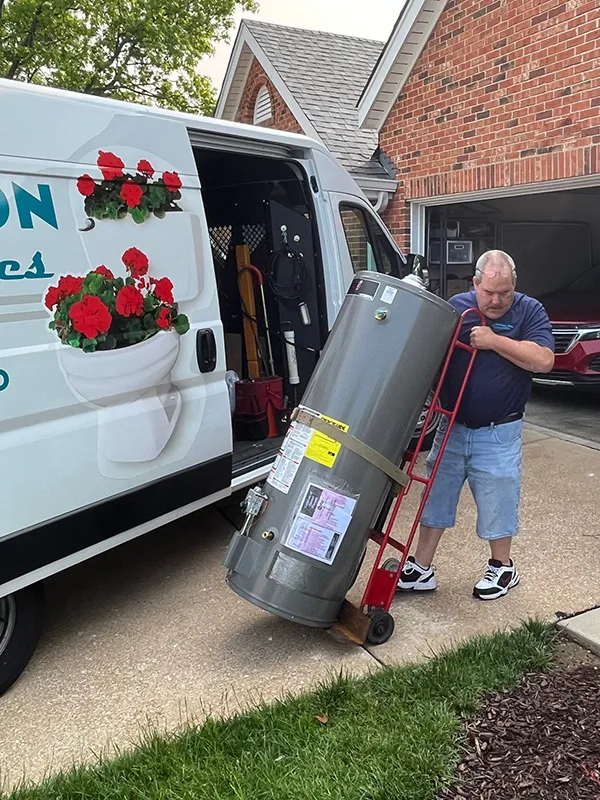
There can be many issues affecting your water heater’s performance, and we weren’t even able to cover them all in this one article! It may not be time yet for you to replace your water heater, but if you are concerned with your unit’s performance, we would be more than happy to set up a free consultation to find the solution that is best for you. If you are in the market for a new water heater, Kokesh Plumbing specializes in gas water heaters, electric water heaters, tankless water heaters, hybrid/heat pump water heaters, and propane water heaters. We provide your brand new water heater, and our comprehensive installation services also includes obtaining the permit and hauling away your old water heater at no additional cost.